

Conference seating has evolved beyond simple chairs placed in rows. Today, it represents a complete system that integrates engineering, ergonomics, and architectural design. In modern venues such as conference halls, universities, and cultural centers, seating must meet high expectations in terms of durability, comfort, and visual consistency.
For project planners and architects, selecting the right conference seating system is essential for creating a functional and long-lasting environment.
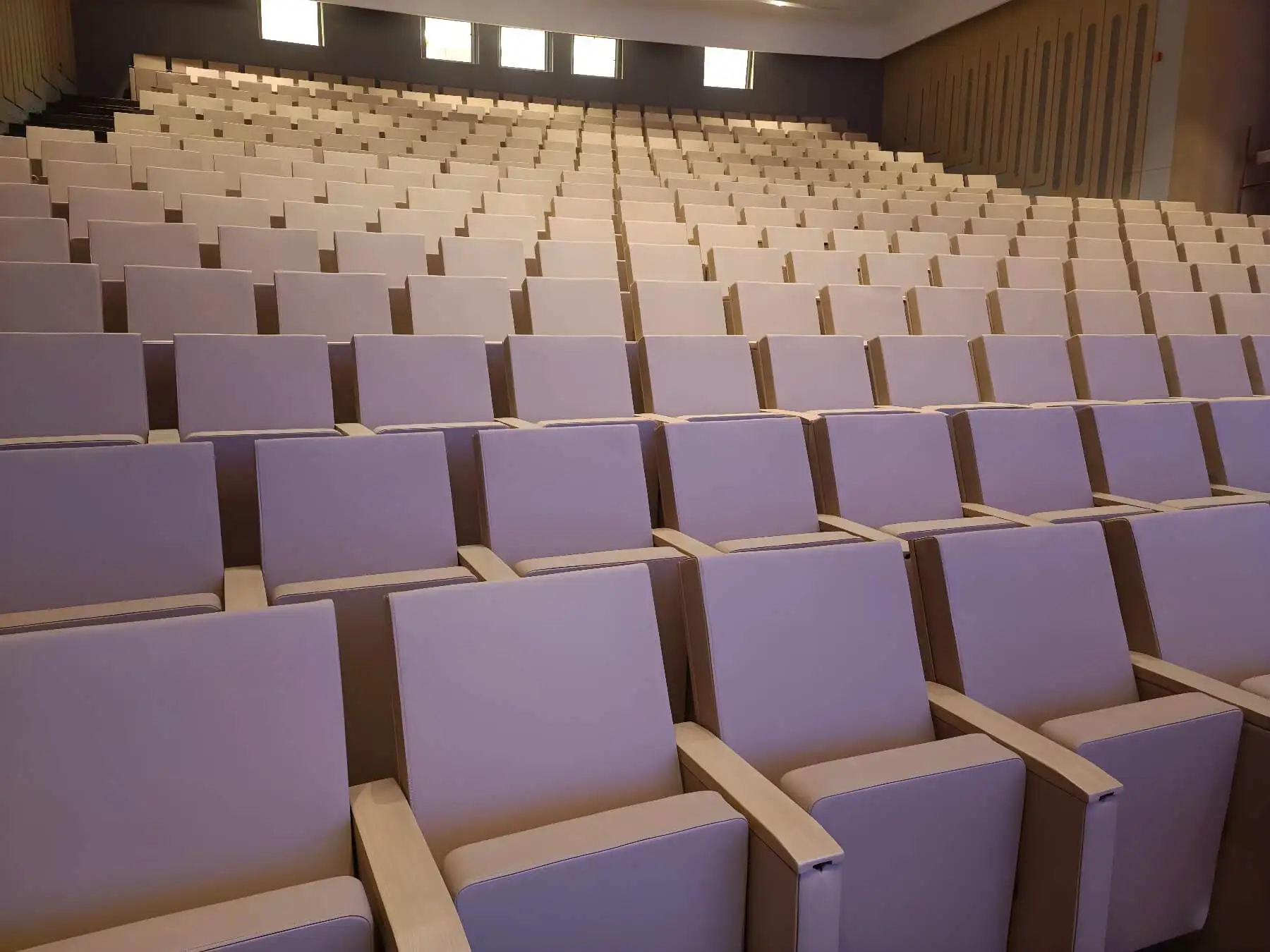
From Individual Chairs to Integrated Seating Systems
Traditional seating solutions focused on individual units. Modern conference seating, however, is designed as a complete system where each component works together.
A conference seating system includes:
- Structural support and mounting elements
- Foldable seat mechanisms
- Ergonomic backrest design
- Upholstery and protective components
- Row alignment and numbering systems
This integrated approach ensures consistency across large seating areas and improves overall performance.
The Role of Engineering in Seating Design
Conference seating systems must withstand continuous use without compromising comfort or functionality.
Key engineering elements include:
Structural Stability
Steel frames provide the necessary strength for long-term use. Proper design prevents movement, noise, and deformation over time.
Folding Mechanisms
The folding system allows efficient use of space. High-quality mechanisms ensure smooth operation and long service life.
Load Distribution
Proper weight distribution across the structure prevents stress points and increases durability.
Ergonomics and User Experience
In conference environments, users may remain seated for extended periods. Ergonomic design is therefore essential.
A well-designed conference seat offers:
- Correct backrest angle for support
- Balanced seat depth
- High-density foam for comfort
- Stable armrests
These features improve concentration and overall user satisfaction.
Material Selection for Long-Term Performance
Materials play a critical role in both durability and maintenance.
Common options include:
- Fabric upholstery for breathability
- Faux leather for easy cleaning
- Real leather for premium applications
Protective back covers help prevent damage in high-traffic areas, extending the product’s lifespan.
Space Planning and Layout Optimization
Efficient use of space is one of the main challenges in conference hall design.
Important factors:
- Row spacing and alignment
- Seat width and arrangement
- Step height and depth
- Access aisles
Optimized layouts increase seating capacity while maintaining comfort and safety.
Fixed Seating Systems as Industry Standard
Most modern conference venues prefer fixed seating systems due to their reliability.
Advantages include:
- Strong and stable installation
- Uniform appearance
- Long-term durability
- Reduced maintenance requirements
This makes fixed seating the preferred solution for large-scale projects.
Customization for Project-Specific Needs
Every venue has unique requirements. Standard products are often not sufficient.
Customization options include:
- Seat dimensions and spacing
- Armrest design
- Writing tablets
- Seat numbering systems
- Color and material selection
This flexibility ensures that the seating system aligns with the architectural design and functional needs of the project.
Compliance and Certification
Conference seating systems must meet strict requirements, especially in public projects.
Key considerations include:
- Fire resistance
- Durability and abrasion performance
- Structural safety
- Material quality standards
Certified systems ensure safety and long-term reliability.
Installation and Project Coordination
Proper installation is essential for the performance of the seating system.
Critical points:
- Accurate mounting to the floor or steps
- Alignment of rows and spacing
- Coordination with construction timelines
Well-planned installation reduces errors and ensures a clean final result.
Long-Term Value of a Well-Designed Seating System
Conference seating should be evaluated as a long-term investment.
High-quality systems provide:
- Extended lifespan
- Reduced maintenance costs
- Consistent performance
- Better user experience
This results in a more efficient and sustainable solution for large venues.
Conclusion
Conference seating systems are a fundamental part of modern venue design. By combining engineering, ergonomics, and architectural integration, these systems provide both functionality and long-term value.
Choosing the right seating system ensures durability, comfort, and a professional appearance, making it a critical decision in any conference or auditorium project.